Helping Rescue Dogs Settle In
Welcoming a rescue dog into your home is as rewarding as it is challenging. These pups bring history with them — some baggage, sure, but also huge hearts ready for a new start. I’ve worked with anxious, misunderstood rescues across London (and experienced a few myself). Here’s a roadmap for making your new friend feel safe, understood and part of the family.
The First Days: Patience Above All
The first week or two isn’t about “training” — it’s about helping your dog decompress. Everything is new and sometimes overwhelming, from the kettle’s whistle to new floor surfaces. Your rescue needs time and space to watch, explore, and get used to your home.
- Set up a comfortable den (crate or bed) in a quiet corner where they can retreat any time.
- Keep greetings and petting calm and short. Let the dog approach you instead of crowding them.
- Stick to routines: same meal times, gentle walks, ample rest. Predictability builds trust.
Keep visitors to a minimum at first, and don’t expect instant cuddles. Let your dog come to you, and reward curiosity with patience and a treat.
Building Trust Through Positive Training
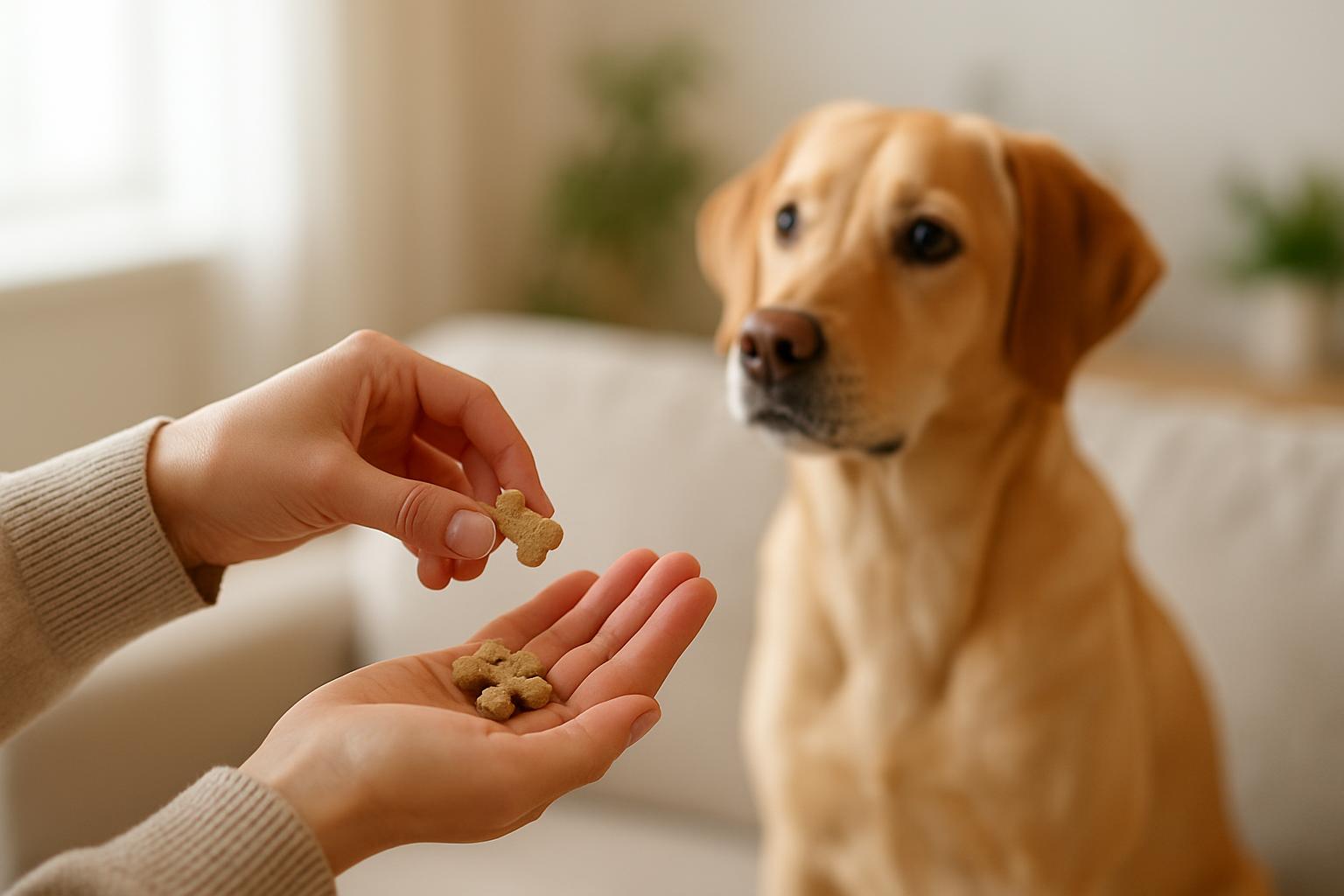
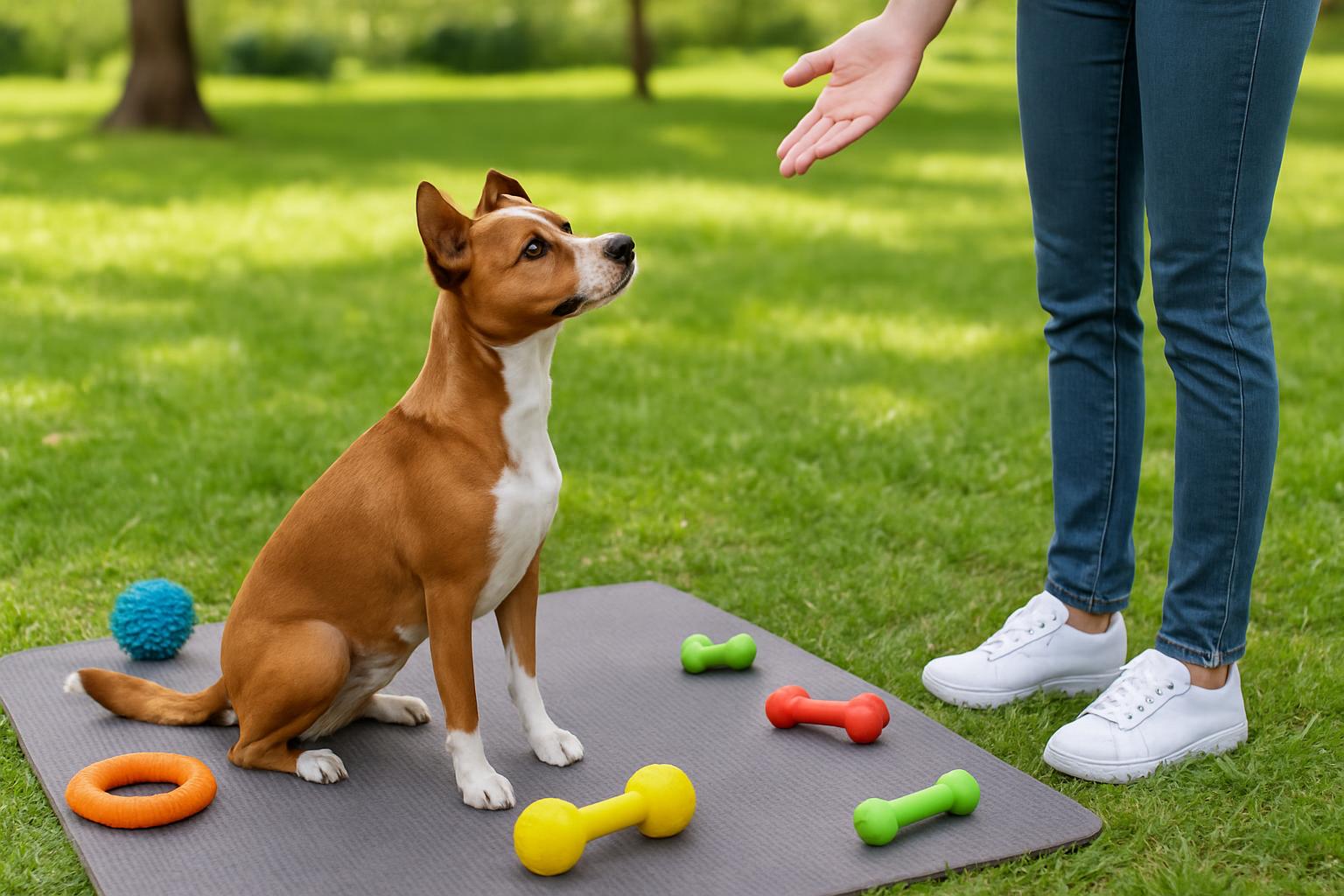
The most powerful tool you have is kindness — not commands or corrections. Start with simple games like “find the treat” or “touch my hand” for confidence. Use praise, treats, and a soft voice for every brave choice your dog makes.
- Use a long leash on walks for safe exploration, and let your dog sniff at their pace.
- Never punish mistakes; calmly redirect or ignore undesired behaviour, and always praise good choices.
- For house training slip-ups, work as if you’re starting with a puppy: routine, gentle guidance, and forgiveness for accidents.
If you see signs of fear (tucked tail, cowering, growling), remove triggers where possible and give lots of breaks. Courage takes time.
When Your Rescue Has a “Past”: Complex Needs
Some rescue dogs come with more complex needs — fear of men, reactivity to traffic, separation struggle. This is where personalised, patient training matters most. Most problems can be improved, but there’s no one-size-fits-all — take it step by step.
- Create positive associations with scary things (pair every lorry with chicken, every new person with a game).
- Consult a reward-based professional for dangerous or deeply stuck issues; remote and in-person support both help.
Every small win is progress. Celebrate relaxed body language, brave moments, and every day your dog settles a little more.
Conclusion: The Gift of a New Start
Watching a rescue dog blossom is worth every ounce of patience. Give them time, choices, and lots of love — and you’ll earn incredible trust in return. If you’re struggling, you’re not alone. Real-world training can make a huge difference, from city streets to quiet living rooms.
Here’s to many happy years of adventures, cuddles and mutual understanding: you and your new best friend deserve it.
Related Articles